
How Women with Chronic Pain Can Reclaim Life with Simple, Effective Steps
Posted by Zee Alexis on Nov 13th 2026
How Women with Chronic Pain Can Reclaim Life with Simple, Effective Steps
Women with chronic pain often wake up already negotiating with their bodies, then spend the day managing appointments, work, family needs, and the invisible math of what will hurt later. The core tension is brutal and constant: pain demands attention while life still expects performance, and many chronic pain challenges get dismissed or misunderstood in the process. Real pain management strategies and lifestyle adaptations for chronic pain can reduce the daily friction without pretending symptoms are all in the head. What changes first is the sense of steadiness, emotional resilience in chronic illness becomes a skill that can be practiced.
Build a 10-Minute Digital Medical File You Can Actually Use
When pain is already draining your energy, the last thing you need is a paperwork scramble at the moment. Digitize your key medical documents so you can pull them up fast during appointments, flares, or insurance calls: scan the essentials, label files clearly, and keep them easy to search. Saving everything as PDFs helps preserve formatting and makes records simple to open and share across devices. If your files feel too bulky, compressing them can make them quicker to store and send, try a PDF compressor for free so sharing doesn’t become another stressor.
Use This 7-Area Plan to Feel Better Without Doing “Everything”
You don’t need a perfect routine to feel better, you need a repeatable one. Pick one small action from a few areas below, track what helps, and build from there.
1. Run a 2-minute “stress downshift” twice a day: Set a timer for 2 minutes and do one simple technique: box breathing (inhale 4, hold 4, exhale 4, hold 4) or a slow body scan from jaw to toes. This works because it signals safety to your nervous system, which can lower pain sensitivity over time. If you want structure, mindfulness and meditation practices can help you notice tension earlier, before it becomes a flare.
2. Build a “low-inflammation plate” you can repeat: Aim for half your plate vegetables or fruit, add a protein you tolerate (beans, eggs, fish, poultry, tofu), then choose a fiber-rich carb (brown rice, oats, potatoes with skin). Keep a short “safe meals” list in your phone so brain-fog days don’t turn into skipping meals. Start with one swap you can do today, like adding olive oil and herbs instead of heavy sauces.
3. Protect sleep like it’s pain medicine: Choose a realistic sleep window and keep it within the same 60–90 minutes daily for one week. Make your bedroom cue rest: dim lights 60 minutes before bed, keep the room cool, and do a quick worry-dump note so thoughts aren’t racing. Pain often spikes with poor sleep, and sleep deprivation has been linked with aggravated spontaneous pain for people living with chronic pain.
4. Create a tiny support network that doesn’t drain you: Pick two people: one “practical” contact (rides, errands, childcare) and one “emotional” contact (listens without fixing). Send a clear script: “I’m having a high-pain week, can you check in Thursday?” If you already built your digital medical file, share a one-page summary from it with your trusted person so they can help you advocate on appointment days.
5. Choose movement that respects your pain signals: Set a “minimum dose” goal like 3–5 minutes of walking, gentle stretching, or chair-based strength work, then stop while you still feel okay. Track your 24-hour response, if you crash tomorrow, cut the time by 20–30% and try again. Consistency beats intensity, especially when your nervous system is already on high alert.
6. Practice one coping skill for flare moments (not after): Make a flare plan you can follow half-asleep: heat/ice routine, a supportive position with pillows, and a distraction option (music, audiobook, simple craft). Adding a mindset tool, naming the moment (“This is a flare, not a failure”) reduces panic, which reduces muscle guarding. A structured approach like a self-directed CBT program has even been shown to reduce pain interference faster in a large trial, and you can borrow the idea by doing brief daily check-ins.
7. Simplify medication adherence and appointment follow-through: Use one medication list (name, dose, time, “why I take it”) and store it in the same folder as your digital medical file so you can update it once and reuse it everywhere. Pair doses with anchors you already do, first bathroom trip, morning tea, brushing teeth. Keep a “questions for my clinician” note and add one line whenever something feels off, so you’re not trying to remember details while in pain.
Walk With Less Pain: Choose Footwear That Supports Your Whole Body
When you’re building a realistic plan across stress, sleep, movement, and support, the simplest “all-day” lever is often what’s on your feet. Truly supportive, comfortable footwear is an underrated strategy for women living with chronic pain because every step sends information up the chain, feet to ankles to knees to hips to back. Shoes that fit well and cushion appropriately can reduce the constant micro-strain that builds across the day, helping you stay steadier, feel less achy, and conserve energy for what matters. If you’ve ever noticed that a “fine” shoe can still leave you sore by afternoon, this is why: the wrong support doesn’t just bother your feet, it can amplify pain in joints and muscles higher up.
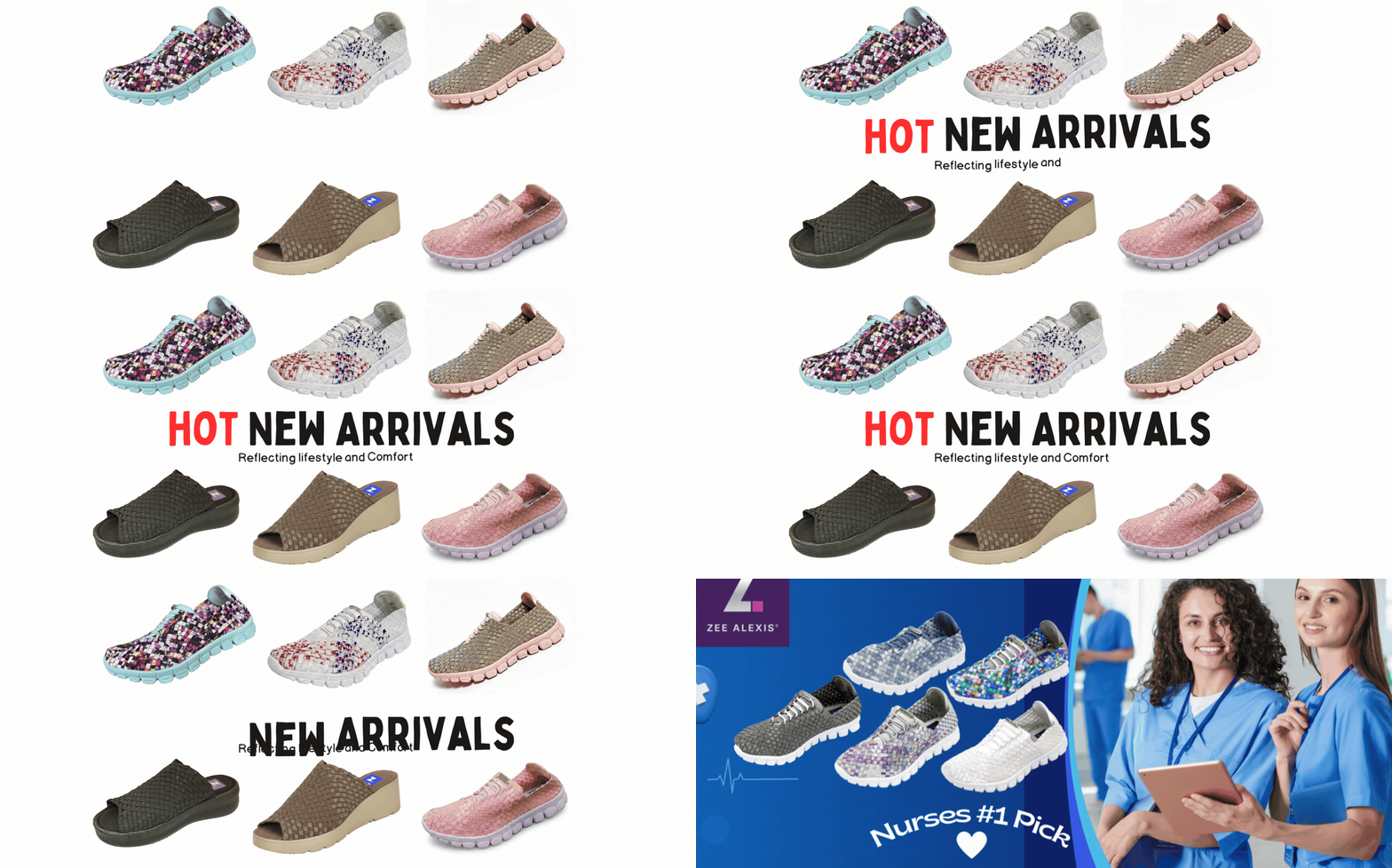
If you want a stylish option designed with comfort in mind, Zee Alexis offers women’s lifestyle sneakers, flats, sandals, and wedges featuring Active Response Technology, hand-woven 8-way memory stretch elastics, and Real Memory Foam footbeds, details aimed at supporting your whole body, not just your outfit.
Chronic Pain Questions Women Ask Most
Q: What should I do when a flare hits and my plan falls apart?
A: Switch to “minimum effective care” for 24 hours: hydrate, eat something simple, and choose one gentle comfort strategy like heat, pacing, or a brief stretch. Reduce decisions by using a short list of safe options you have already tried. If symptoms feel new, intense, or scary, contact your clinician for guidance.
Q: How can I adjust movement on flare days without getting weaker?
A: Keep the habit, lower the dose: try 2 to 5 minutes of easy range-of-motion, a slow walk to the mailbox, or seated mobility. Stop before you pay for it, and repeat later if you can. Consistency builds trust with your body even when intensity is not possible.
Q: Should I push through pain, or rest completely?
A: Use the “traffic light” rule: green is mild and settles quickly, yellow is moderate and needs pacing, red is sharp, escalating, or changes function. Red means pause and reassess, not power through. When in doubt, aim for shorter bouts with longer recovery.
Q: Why do I feel guilty needing support or accommodations?
A: Chronic pain is common, and chronic pain in 2023 affected many adults, so you are not overreacting. Practice one clear sentence: “I am managing a health condition and need to do this differently.” Ask for one specific help item instead of a general plea.
Q: Where can I find trustworthy pain management resources and coping strategy FAQs?
A: Start with evidence-based, noncommercial sources such as major hospital systems, government health sites, and specialty clinics. Bring one printed page or screenshot to your appointment and ask, “Does this fit my situation?” If you want peer support, choose moderated chronic illness communities with clear safety rules.
Choose One Small Practice to Reclaim Life with Chronic Pain
Chronic pain can shrink days down to symptoms, decisions, and the constant question of what will set off the next flare. A steadier way forward comes from empowerment in chronic pain, meeting hard moments with compassionate awareness, coping strategy implementation, and realistic, motivational lifestyle changes that respect limits without surrendering identity. With that approach, confidence grows, setbacks feel less like failure, and long-term pain management becomes something directed rather than endured. Pain may be real, but it doesn’t get to run the whole day.